

Domestic Violence Recovery:
Reclaiming Safety and Sovereignty
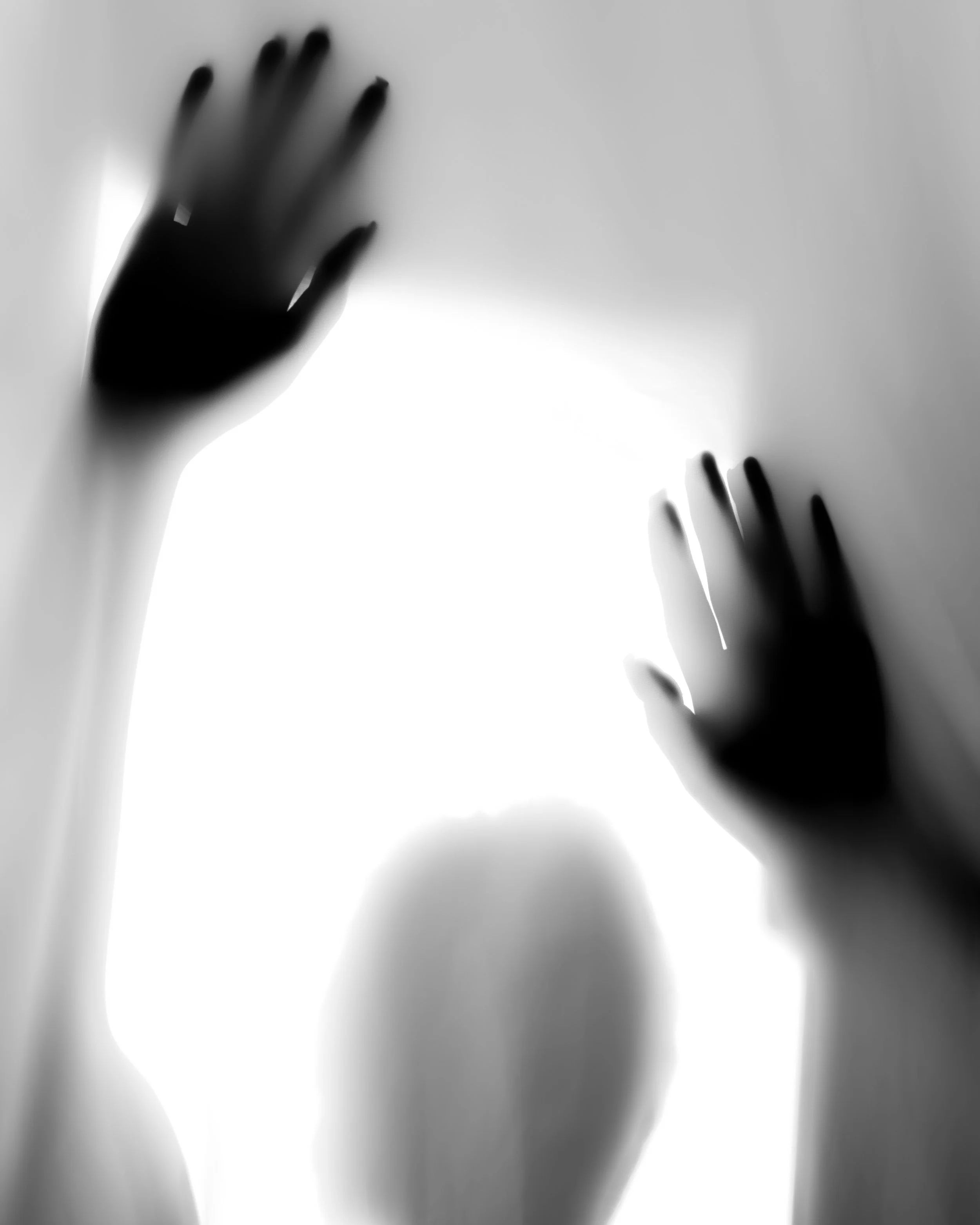
When Home Was a Battlefield
You've left. Or you're planning to. Or you're still there, reading this in secret, wondering if it's safe to seek help.
Either way, you know what it feels like to be afraid in your own home. To walk on eggshells. To monitor moods, words, movements. To make yourself small, quiet, compliant, trying to avoid the explosion you know is coming but never quite sure what will trigger it.
You know what it feels like to be hit. Pushed. Restrained. Choked. Or maybe they never laid hands on you—but they destroyed your things, punched walls next to your head, blocked your exit, used their physical presence to intimidate. The threat of violence is violence.
You know what it feels like to be controlled. Isolated from friends and family. Monitored. Questioned. Accused. To have your phone checked, your clothes criticized, your whereabouts tracked. To need permission for basic autonomy.
You know what it feels like to be economically dependent. With no access to money, accounts, credit. Unable to leave because you have no resources. Trapped financially in addition to emotionally and physically.
And now, whether you've left or are still there, you're carrying the weight of it all. The fear. The trauma. The shame. The confusion about how you ended up here. The terror about what comes next.
This is domestic violence recovery. And it's about more than physical safety—it's about reclaiming your sense of self, your autonomy, your right to exist without fear. It's about healing a nervous system that learned to live in constant threat. It's about rebuilding a life you thought might never be possible.
What Is Domestic Violence?
Domestic violence (also called intimate partner violence or IPV) is a pattern of behaviors used to gain and maintain power and control over an intimate partner.
It includes:
-
Physical Abuse
Hitting, slapping, pushing, choking, restraining, blocking exits, throwing objects, destroying property, using weapons, or any physical force intended to harm, intimidate, or control.
-
Sexual Abuse
Coerced sexual activity, assault, reproductive coercion, using sex as punishment or reward, forcing sexual acts you're uncomfortable with, ignoring your boundaries.
-
Emotional and Psychological Abuse
Insults, humiliation, gaslighting, threats, intimidation, isolation, controlling behavior, monitoring, stalking, playing mind games.
-
Economic Abuse
Controlling finances, preventing employment, sabotaging work, withholding money, running up debt in your name, refusing to contribute financially while demanding financial control.
-
Threats and Intimidation
Threatening to hurt you, your children, pets, or themselves. Threatening to expose you, take children, destroy your reputation. Creating an atmosphere of fear.
-
Isolation
Limiting contact with friends and family. Monitoring communications. Making you dependent on them for all social connection. Destroying support networks.
Domestic violence is not about conflict, anger management, or relationship problems.
It's about one person using systematic tactics to dominate, control, and maintain power over another person. It's a pattern, not isolated incidents.
The Cycle of Violence
Domestic violence often follows a predictable pattern:
-
Tension Building
Minor incidents. Walking on eggshells. Trying to keep the peace. Sensing the buildup but not knowing when it will explode.
-
Acute Incident
The explosion. Physical, verbal, or emotional violence. The assault, the rage, the destruction.
-
Reconciliation/Honeymoon
Apologies. Promises to change. Gifts. Affection. The person you fell in love with seemingly returns. Minimizing what happened. Blaming external factors. You want to believe it won't happen again.
-
Calm
Things are good. You relax. Maybe it's over. Maybe they have changed. Hope returns.
Then the cycle repeats. And over time, the honeymoon and calm phases shorten while the tension and violence escalate.
This cycle creates powerful trauma bonds, making it incredibly difficult to leave even when you know you should.
Why It's Hard to Leave
People who haven't experienced domestic violence often ask: "Why didn't you just leave?"
Because:
Fear: They've threatened what will happen if you leave. You've seen their violence. You know they're capable. Leaving is the most dangerous time—statistics confirm that violence often escalates when victims attempt to leave.
Financial Dependence: You have no money, no credit, no resources. They've controlled everything. Where would you go? How would you survive?
Isolation: They've systematically cut you off from support. You have no one to turn to, or you're ashamed to tell people what's happening.
Children: You're terrified of custody battles, of them getting unsupervised access to the kids, of disrupting your children's lives, of not being able to protect them if you're not there.
Love and Hope: Despite the abuse, you love them. You remember who they were in the beginning. You hope they'll change. The good times make you believe it's possible.
Trauma Bonding: The neurochemistry of the abuse cycle creates powerful attachment. You're physiologically addicted to the relationship.
Shame and Self-Blame: You're embarrassed that this is happening. You blame yourself. You worry no one will believe you or will judge you for staying.
Practical Barriers: Nowhere to go. No transportation. Pets you can't take to shelters. Immigration status concerns. Disability or health issues. Religious or cultural beliefs about marriage.
Learned Helplessness: Years of abuse have taught you that nothing you do matters, that you're powerless, that escape isn't possible.
Leaving isn't simple. It's complex, dangerous, and requires resources, planning, and support. You stayed because you were surviving, not because you were weak.
The Impact on Your Nervous System
Domestic violence doesn't just create psychological trauma—it fundamentally changes your nervous system:
-
Chronic Hypervigilance
Your body stays in threat mode. You're constantly scanning for danger, reading moods, anticipating violence. Your nervous system never rests.
-
Trauma Responses
Fight, flight, freeze, or fawn become your default settings. You might become combative, try to flee, freeze and dissociate, or desperately try to please to avoid harm.
-
Somatic Symptoms
The body stores trauma. Chronic pain, tension, digestive issues, headaches, panic attacks, insomnia—your body holds what happened even after you've left.
-
Dissociation
To survive, you may have learned to disconnect from your body during abuse. This dissociation can persist, leaving you feeling unreal, numb, or disconnected.
-
Triggered Easily
Certain sounds, tones of voice, body language, or situations trigger intense fear responses—even when you're safe now. Your nervous system is operating from past danger.
-
Loss of Safety
You've learned that nowhere is safe, that people are dangerous, that you can't trust your instincts (because you loved someone who hurt you). Safety feels foreign.

Our Approach to Domestic Violence Recovery
Safety First: Your physical safety is paramount. We help you assess danger, develop safety plans, connect with resources (shelters, legal advocates, protective orders). If you're still in the relationship, we work on harm reduction and exit strategies.
Trauma-Informed Care: We understand that domestic violence is complex trauma. We never judge you for staying, for going back, for the time it takes to leave, or for the feelings you still have. We work at your pace, honoring your autonomy.
EMDR for Processing: We use EMDR specifically adapted for complex trauma to process the violent incidents, the fear, the betrayal. We work with both explicit memories and the implicit, body-stored trauma. We help your nervous system metabolize what happened so it's no longer running your present.
IFS for Internal Healing: Domestic violence fragments your psyche. Parts that learned to appease, parts that monitor danger, parts carrying terror, parts that still hope for change. Through IFS, we work compassionately with all parts, helping them release protective roles and allowing your Self—your core essence—to lead again.
Somatic Regulation: We focus extensively on nervous system regulation. Your body learned to live in threat. We teach it safety. Through somatic practices, breathwork, and body awareness, we help your system recalibrate to the fact that the danger has ended.
CBT for Rebuilding Cognition: We address beliefs formed through abuse: "I deserved it," "I can't survive alone," "All relationships are dangerous," "I should have known better." We rebuild accurate self-perception and trust in your judgment.
Establishing Safety Signals: We help your nervous system learn to recognize actual safety. We develop practices that signal to your body: "I'm safe now." "The danger has passed." "I can rest."
Boundaries and Sovereignty: We work on reclaiming your right to boundaries, to autonomy, to making choices about your own life. We help you reconnect with your preferences, needs, and desires—the things that were suppressed or punished.
Holistic Restoration: Through transpersonal work, we address the spiritual wounds—loss of trust in goodness, feeling abandoned by any higher power, disconnection from meaning. We help you reconnect with something larger than your trauma.
Rebuilding Life: We support the practical aspects of rebuilding—financial independence, housing, employment, coparenting safety, legal processes. Healing isn't just emotional; it's rebuilding your entire life.


What Recovery Looks Like
Recovery from domestic violence is reclaiming yourself and your life. It's:
Feeling safe in your body. Your nervous system learning to rest. Not jumping at every sound. Not scanning every room for exits. Sleeping through the night. The hypervigilance gradually easing.
Trusting your instincts again. Recognizing that your gut was right to be afraid. That you're not "oversensitive" or "paranoid"—you were responding appropriately to real danger. Honoring your intuition.
Setting boundaries without fear. Saying no. Making choices about your own life. Reclaiming autonomy without terror of violent repercussions.
Building healthy relationships. Learning what respect, reciprocity, and genuine love look like. Allowing safe people in. Recognizing red flags immediately and trusting yourself to walk away.
Releasing shame. Understanding that the abuse wasn't your fault. That staying was survival. That you're not damaged—you're recovering. That you're not defined by what happened to you.
Discovering who you are outside of fear. Your preferences, interests, values, dreams that were suppressed. The person you are when you're not in survival mode.
Feeling powerful again. Not in the dominating way your abuser was powerful, but in the grounded, sovereign sense of knowing your worth, claiming your space, and trusting your capacity to protect yourself.
You Are Not Alone
Domestic violence is tragically common. You are one of millions. This is not your fault. You didn't cause it. You didn't deserve it. You couldn't have prevented it by being different.
Abusers don't abuse because of who their victims are—they abuse because of who they are. The abuse was never about you failing to be good enough. It was always about their need for power and control.
You survived. That survival required incredible strength, resilience, and adaptation. Everything you did—including staying as long as you did—was what you needed to do to survive.
Now you get to do more than survive. You get to heal. To reclaim. To rebuild. To thrive.

Beginning Your Recovery Journey
Safety is the soil of transformation. Whether you're still in the relationship planning exit, newly left, or years out, recovery is possible.
Healing doesn't erase what happened. It integrates it. It helps you carry what occurred without being crushed by it. It transforms you from victim to survivor to someone whose story includes violence but isn't defined by it.
Your nervous system can learn safety. Your body can release the stored trauma. Your mind can trust again. Your spirit can remember that the world contains goodness as well as harm.
You can be soft and powerful. You can be cautious and open. You can heal and never forget. You can carry your story and not be imprisoned by it.
Your alignment is your liberation. And it begins the moment you recognize that you deserve safety, respect, and love—not as something you must earn, but as your birthright.
The violence doesn't get the last word. You do.
And your word is: Freedom.