

Intergenerational Trauma:
Breaking Cycles and Healing Lineages

The Pain That Wasn't
Yours to Begin With
You carry anxiety that seems to have no source. Patterns that don't match your actual experiences. Fears that feel inherited. Survival strategies for dangers you never personally faced.
You find yourself parenting the way you were parented, even though you swore you'd do it differently. You repeat relationship dynamics that damaged your parents' marriages. You struggle with the same addictions, the same emotional patterns, the same wounds—even though you've done "all the work."
Sometimes you look at your family history and see pain repeated across generations. The silent grandmother who was silenced by her mother. The rageful father who had a rageful father. The anxious mother whose mother was anxious. The pattern of abandonment, addiction, or abuse stretching back as far as you can trace.
You're not just healing your own wounds. You're carrying the unprocessed pain of those who came before you. Your nervous system learned its patterns not just from your experiences, but from the nervous systems that raised you—systems themselves shaped by unhealed trauma.
This is intergenerational trauma. And healing it means not just addressing what happened to you, but understanding what happened to them, and choosing—consciously, deliberately—to be the one who breaks the cycle.
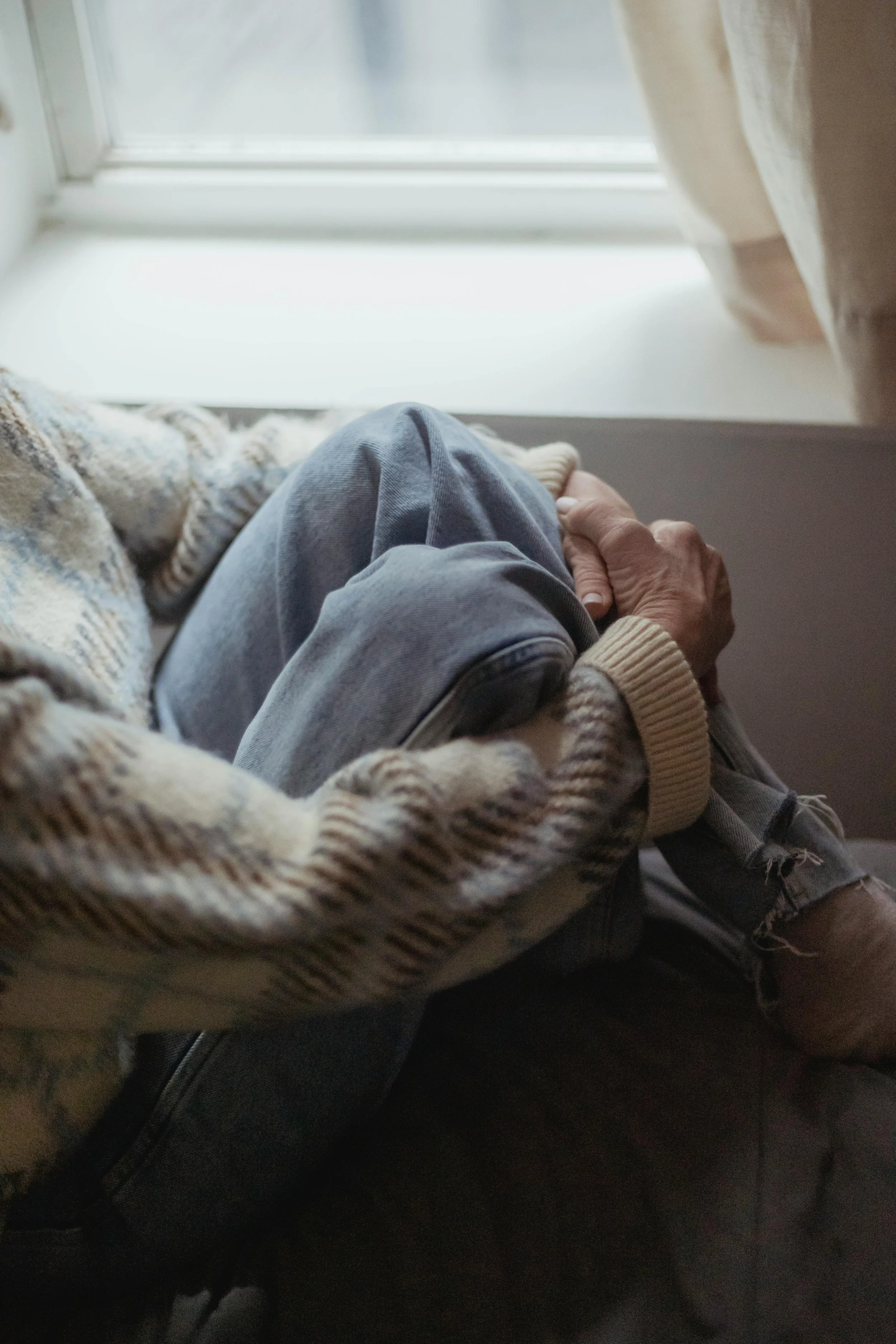
What Is Intergenerational Trauma?
Intergenerational trauma (also called transgenerational or multigenerational trauma) refers to trauma that is transmitted from survivors of traumatic events to their descendants. It's the psychological, emotional, and even biological legacy of trauma passed down through families and communities.
This transmission happens through:
-
Epigenetics
Research shows that trauma can actually change gene expression, and these changes can be inherited. Survivors' descendants may be born with different stress responses, cortisol levels, and nervous system baseline—literally inheriting traumatized biology.
-
Attachment Patterns
Parents traumatized as children often develop insecure attachment styles. They parent from their own unhealed wounds, passing on anxious, avoidant, or disorganized attachment to their children, who then carry these patterns into their own relationships and parenting.
-
Learned Behaviors
Children learn how to regulate emotions, handle stress, and relate to others by watching their parents. If parents have maladaptive coping strategies (substance use, rage, avoidance, people-pleasing), children often adopt these same strategies.
-
Silenced Stories
Children learn how to regulate emotions, handle stress, and relate to others by watching their parents. If parents have maladaptive coping strategies (substance use, rage, avoidance, people-pleasing), children often adopt these same strategies.
-
Family Roles and Systems
Trauma creates rigid family systems—the scapegoat, the golden child, the caretaker, the lost child. These roles get replicated across generations until someone consciously interrupts the pattern.
-
Cultural and Historical Trauma
Communities that experienced collective trauma (enslavement, genocide, war, displacement, oppression) pass this trauma through cultural memory, affecting descendants even generations later.


Forms of
Intergenerational Trauma
War and Displacement: Children and grandchildren of war survivors, refugees, or displaced peoples often carry hypervigilance, loss, grief, and survival-based worldviews even if they never experienced war directly.
Genocide and Persecution: Descendants of Holocaust survivors, Indigenous genocide survivors, victims of ethnic cleansing, and other genocidal violence carry collective trauma in their bodies and psyches.
Enslavement: The legacy of slavery continues to affect African American communities through systemic oppression, but also through the inherited trauma of brutalization, family separation, and dehumanization.
Abuse Patterns: Child abuse, domestic violence, and sexual abuse often repeat across generations unless consciously interrupted. The abused child may become the abusing parent, or may overcompensate in ways that create different but still damaging patterns.
Addiction: Addiction frequently runs in families—not just because of genetic predisposition, but because of the relational trauma and learned coping mechanisms that accompany addiction.
Poverty and Survival: Chronic poverty creates trauma that shapes nervous systems, beliefs about scarcity, and survival-based decision-making that persist even when circumstances improve.
Immigration and Assimilation: The trauma of leaving home, losing culture, facing discrimination, and navigating assimilation affects not just immigrants but their children and grandchildren.
Mental Illness and Suicide: Family histories of untreated mental illness, psychiatric institutionalization, or suicide create patterns of silence, shame, and inherited emotional dysregulation.
How Intergenerational Trauma Manifests
You might be carrying intergenerational trauma if you experience:
-
Unexplained Anxiety or Fear
Anxiety that seems disproportionate to your actual life experiences. Fear of specific things (poverty, loss, authorities, certain groups) that you never personally encountered but your family did.
-
Hypervigilance
A constant sense of threat, of waiting for disaster, of needing to prepare for catastrophe—even when your life has been relatively stable.
-
Attachment Issues
Difficulty trusting, connecting, or maintaining healthy relationships despite not having experienced direct relational trauma yourself.
-
Survival Mentality
Hoarding resources, inability to rest, driven workaholism, difficulty enjoying abundance—operating from scarcity even when resources are sufficient.
-
Replicated Patterns
Finding yourself in similar dynamics to your parents or grandparents despite consciously trying to choose differently.
-
Physical Symptoms
Chronic tension, pain, illness that doesn't have clear medical causes but may be somaticized inherited trauma.
-
Identity Confusion
Feeling disconnected from your culture, heritage, or roots due to forced assimilation or cultural loss in previous generations.
-
Emotional Numbing
Difficulty accessing feelings, inherited patterns of emotional suppression, or sudden overwhelm when feelings surface.
-
Shame Without Source
Pervasive shame that doesn't match your actual experiences but was absorbed from family systems where shame was endemic.

The Biology of
Inherited Trauma
Recent neuroscience and epigenetic research has confirmed what trauma therapists have long observed: trauma changes biology, and these changes can be passed down.
Studies of Holocaust survivors' children show altered cortisol levels and stress responses. Research on descendants of famine survivors shows metabolic changes. Studies of war trauma demonstrate nervous system alterations in children of veterans.
This doesn't mean you're doomed to carry trauma forever. Epigenetic changes can also be reversed. Healing is possible. But it validates that what you're feeling isn't imaginary or weakness—it's biological inheritance that requires conscious intervention to transform.
Our Approach to Intergenerational Trauma Healing
-
Understanding Your Legacy
We explore your family history—not to blame, but to understand. What traumas did previous generations endure? What were they not able to process or heal? What survival strategies did they develop? Understanding the source helps you see which wounds are yours and which you inherited.
-
IFS for Family System Work
Through Internal Family Systems, we work with the parts of you that carry family legacy—the part that feels responsible for family pain, the part that absorbed a grandparent's terror, the part following scripts written generations ago. We help these parts release burdens that were never theirs to carry.
-
EMDR for Lineage Healing
We use specialized EMDR protocols for intergenerational trauma, processing not just your experiences but the inherited patterns. We work with the implicit memories—the felt sense of inherited fear, grief, rage—helping your nervous system release what previous generations couldn't.
-
Somatic Release
Much of intergenerational trauma lives in the body. Through somatic work, we help you identify and release tension patterns, movement restrictions, and nervous system states you inherited. Your body can learn new patterns.
-
CBT for Belief Systems
We examine beliefs inherited from family systems: "The world is dangerous," "We never have enough," "People can't be trusted," "We must always be vigilant." We determine which beliefs serve you and which you can consciously release.
-
Ritual and Honoring
Through transpersonal work, we create rituals to honor what previous generations endured, grieve what was lost, and consciously choose what you will and won't carry forward. This acknowledges the lineage while claiming your autonomy.
-
Reparenting and Attachment Repair
We work on providing yourself what previous generations couldn't provide—secure attachment, emotional safety, validation. You become the parent to yourself that your parents couldn't be because they weren't parented well themselves.
-
Cultural Connection and Reclamation
For those whose families lost cultural connection through trauma, we explore ways to reclaim heritage, connect with cultural practices, and heal the rupture between you and your roots.
-
Breaking Patterns Consciously
We identify the specific patterns you want to interrupt and develop new responses, new ways of being, new family culture that you can pass forward instead of pain.

What Healing Looks Like
Healing intergenerational trauma is becoming the cycle breaker. It's:
Recognizing which pain is yours and which you inherited—and choosing to put down what isn't yours to carry. Honoring that your ancestors did their best with what they had while choosing to do differently.
Developing security your lineage didn't have. Teaching your nervous system that it's safe to rest, that scarcity isn't the only reality, that trust is possible. Becoming securely attached even if no one before you was.
Parenting differently (if you have children). Not repeating the patterns. Being the conscious, attuned, regulated parent you needed. Passing forward healing instead of harm.
Grieving what your lineage lost—safety, home, culture, peace, connection. Allowing yourself to feel the grief they may have had to suppress to survive.
Reclaiming what was taken—cultural practices, language, rituals, connection to land or heritage. Rebuilding what trauma tried to destroy.
Developing resilience that includes rest, joy, and connection—not just survival. Teaching your system that thriving is possible, not just enduring.
Creating new family culture—one based on emotional safety, honest communication, repair, and love. Writing a new chapter for the lineage.
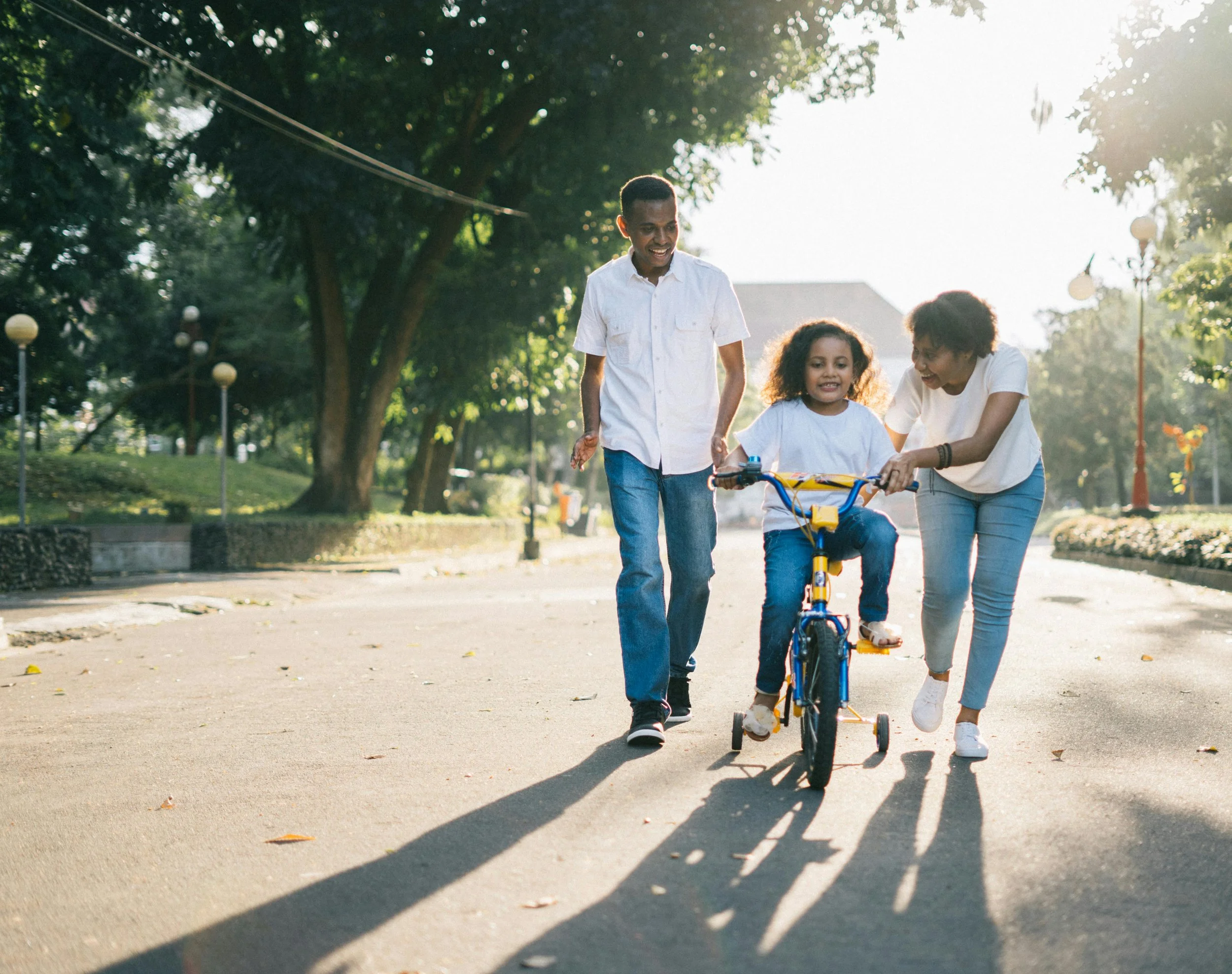
You Are the Cycle Breaker
Being the one who breaks the cycle is sacred work. It's often lonely—your family may not understand, may resist your changes, may feel implicitly criticized by your healing.
You're not just healing yourself. You're healing backward—providing compassion for what your parents, grandparents, great-grandparents endured. And you're healing forward—ensuring that your children, if you have them, inherit something different.
This is the work of lineage repair. It requires immense courage to feel what previous generations couldn't feel, to process what they had to suppress, to choose differently than every model you were given.
But you're capable of it. The fact that you recognize the patterns means you're ready to interrupt them. The fact that you're seeking healing means the cycle is already breaking.
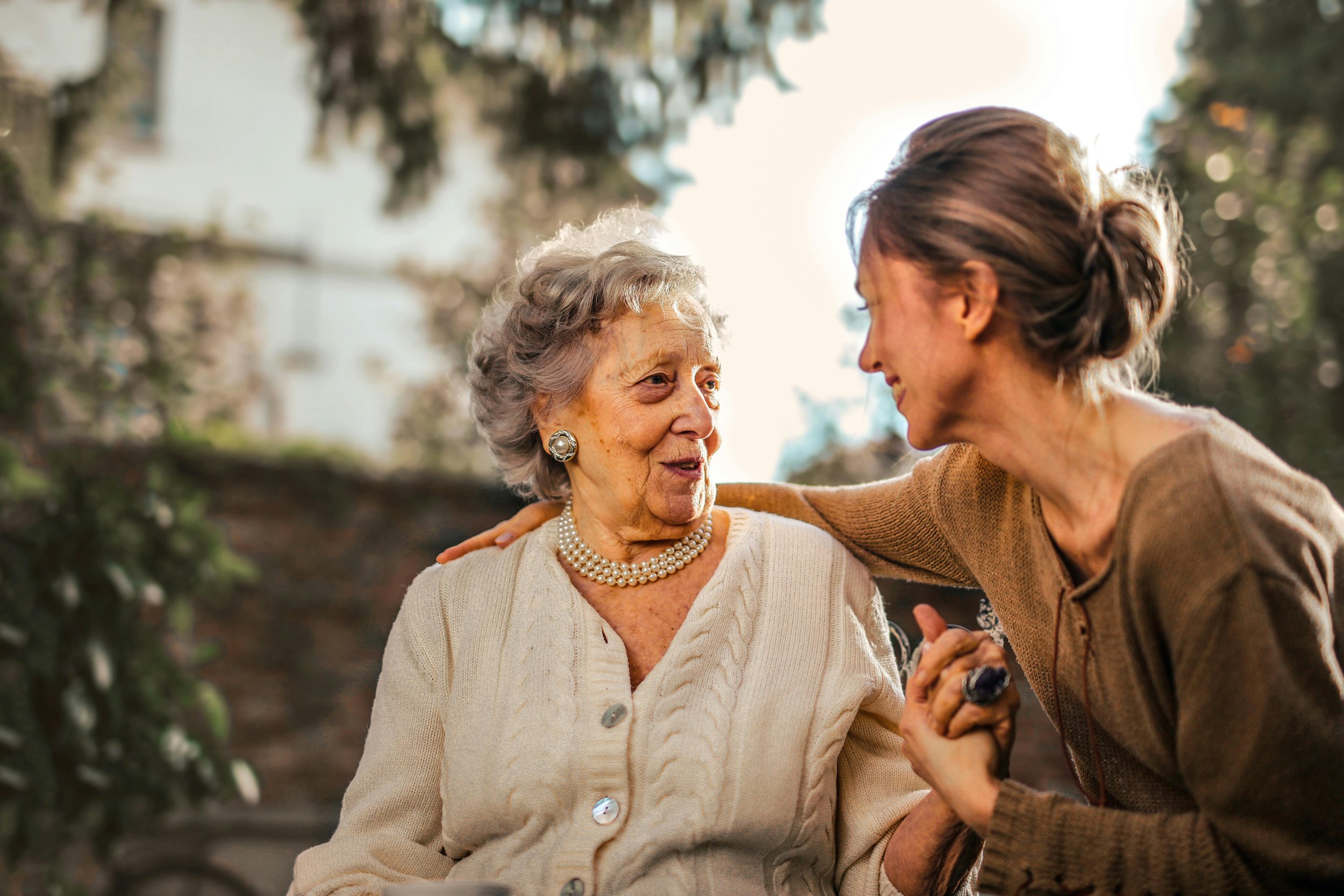
Honoring the Lineage
While Choosing Freedom
Healing intergenerational trauma doesn't mean rejecting your family or culture. It means honoring what they survived while refusing to let their survival strategies become your prison.
It means saying: "I see what you endured. I honor your resilience. And now I'm choosing to heal what you couldn't, so that I—and those who come after me—can live differently."
It means being grateful for the strength passed down while releasing the pain. Keeping the love while transforming the fear. Carrying forward the values while leaving behind the trauma.
Your ancestors survived so you could heal. Your healing honors their suffering by ensuring it wasn't for nothing—it ends with you.

Beginning Your Lineage Healing Journey
Healing isn't becoming new; it's remembering who your lineage might have been before trauma convinced them that survival was the only option.
You carry their strength. Their resilience. Their will to persist through unimaginable circumstances. And now you get to add to that legacy: the choice to heal, the courage to feel, the wisdom to break patterns they couldn't.
Your nervous system can learn safety even if theirs never did. Your attachments can become secure even if theirs were fractured. Your life can include rest, joy, and peace even if theirs was defined by survival.
Neuroplasticity is the body's faith in second chances—not just for you, but for your entire lineage. What was passed down can be transformed. The cycle can break. The healing can begin.
Your alignment is your liberation—and the liberation of all who come after you.
This is the gift you give your lineage: Feeling what they couldn't feel. Healing what they couldn't heal. Living the freedom they couldn't access.
You are the answer to their unspoken prayers. The one who breaks the pattern. The one who heals the wound.
Welcome to the sacred work of lineage repair. You don't walk it alone—all who came before you walk with you now, finally able to rest because you've chosen to heal.
The cycle breaks here. The healing begins now. And generations yet unborn will thank you for your courage.
This is your legacy: not inherited pain, but chosen healing.